
All Tour Packages
10 curated experiences — from day trips to full week adventures.
Accra City Tour
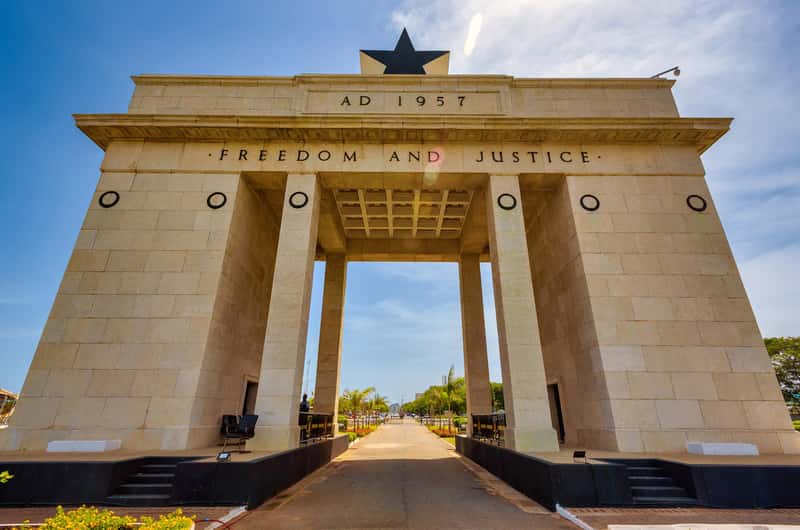
Discover Ghana's vibrant capital — street art, jollof rice, independence history and culture. The perfect introduction to Ghana. Start at Independence Square and the Black Star Gate, symbols of Pan-African liberation. Museums include; Kwame Nkrumah Memorial Park & Mausoleum, and W.E.B Du Bois Memorial Centre, National Museum of Ghana, and Despite Automobile Museum. Explore Accra's Art Center, Makola Market and Jamestown, Accra's oldest neighborhood, its colonial lighthouse and colorful boxing gym. Most desired booking!
Local Naming Ceremony (Kumasi - Cape Coast - Accra)
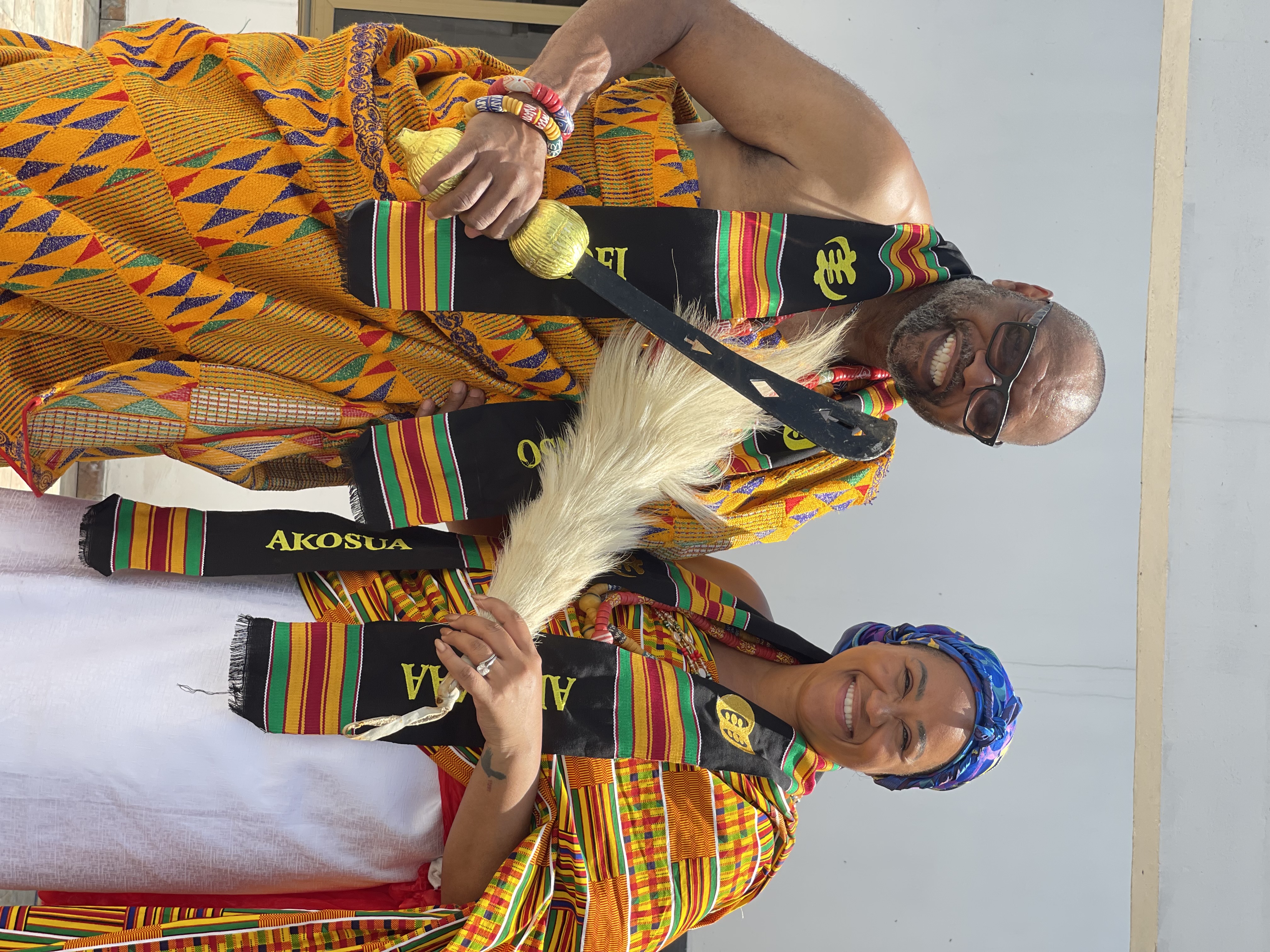
The Akan people of Ghana frequently name their children after the day of the week they were born and the order in which they were born. These "day names" have further meanings concerning the soul and character of the person. Middle names have considerably more variety and can refer to their birth order, twin status, or an ancestor's middle name. This naming tradition is shared throughout West Africa and the African diaspora. During the 18th–19th centuries, enslaved people in the Caribbean from the region that is modern-day Ghana were referred to as Coromantees. Traditionally in Ghana, a child would receive their Akan day name during an Outdooring, a naming ceremony eight days after birth, however some Africans born in other countries are privileged to have the opportunity to receive their names in adulthood. Offered in 3 locations.
Kwame Nkrumah Memorial Park & Mausoleum
The Kwame Nkrumah Mausoleum and memorial park is located in downtown Accra, the capital of Ghana. It is dedicated to the prominent Ghanaian President Kwame Nkrumah. The memorial complex was dedicated in 1992, and is situated on the site of the former British colonial polo grounds in Accra. It is five acres in size. The mausoleum, designed by Don Arthur, houses the bodies of Kwame Nkrumah and his wife Fathia Nkrumah. It is the spot where Nkrumah made the declaration of Ghana's independence. When Ghana became independent from England, Nkrumah was its first president. He created the flag of Ghana.
W. E. B. Du Bois Memorial Centre - Ghana
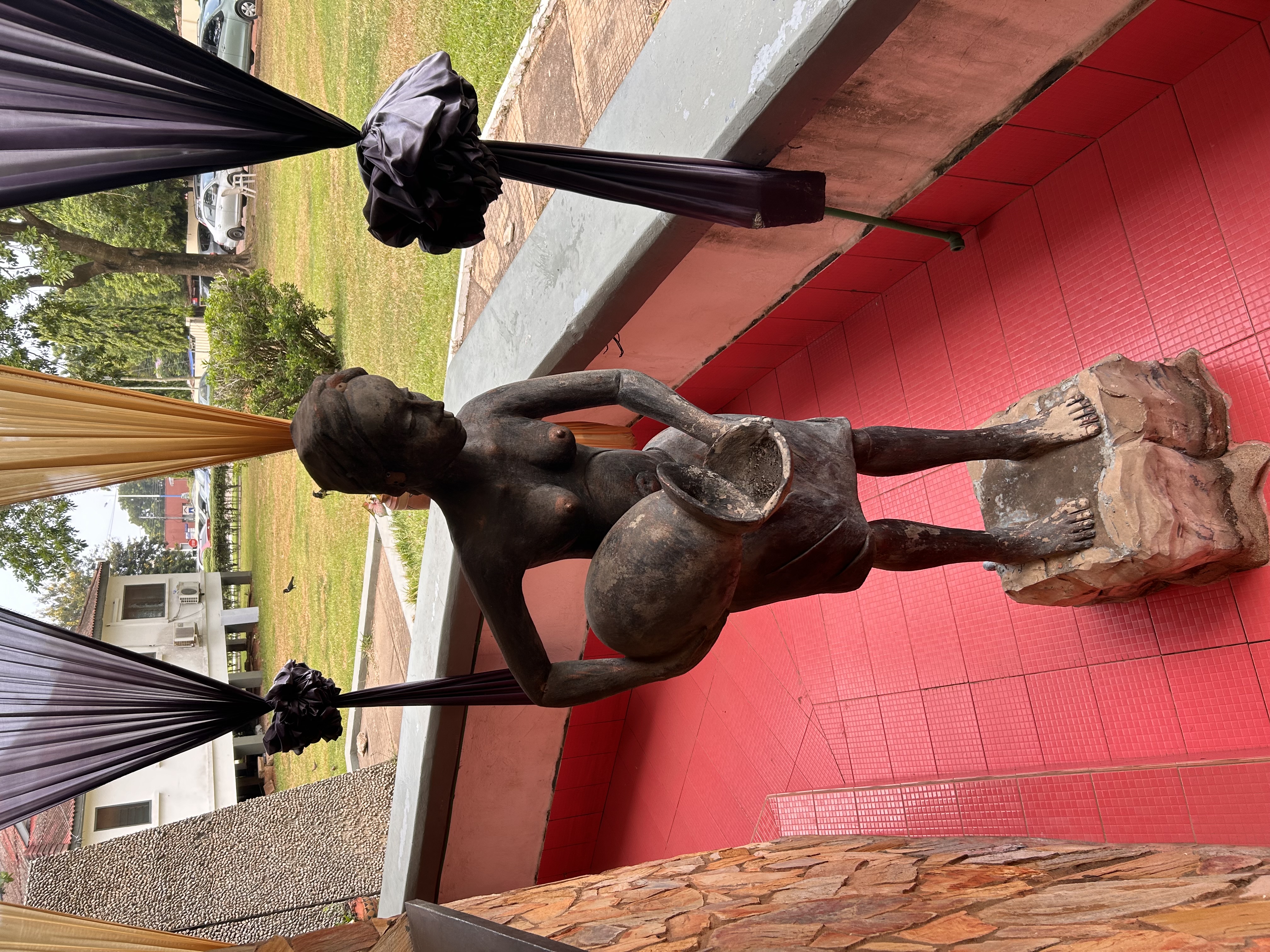
The W. E. B. Du Bois Memorial Centre for Pan-African Culture is the former home and final resting place of American-born socialist, author, and civil rights activist, William Edward Burghardt Du Bois, who became a citizen of Ghana in his later years. Du Bois campaigned for African-American rights and was often referred to as the ‘Father of Pan-Africanism’. The center, on the outskirts of Accra, was where Du Bois and his wife lived for the last few years of his life, and is where they are now both buried. Along with the couple’s mausoleum, the site features his personal library, as well as a museum with a number of Du Bois’ personal belongings on display. Surrounding the mausoleum is a restaurant, an amphitheater and a research institute dedicated to Pan-African history.
The Nkyinkyim Museum
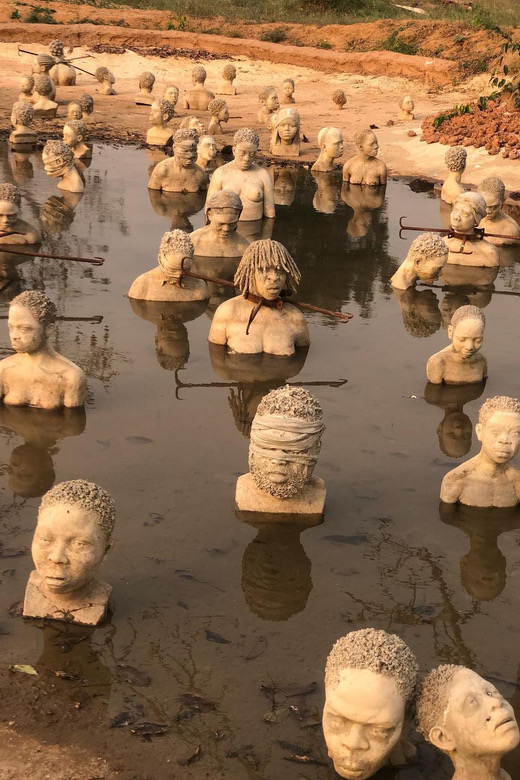
The Nkyinkyim Museum is a transformative, open-air cultural institution located in Nuhalenya-Ada, approximately two hours east of Accra, Ghana. It is widely recognized for its powerful use of visual and performing arts to preserve African heritage and address the legacies of the Transatlantic Slave Trade. The museum was founded in 2019 by award-winning Ghanaian sculptor and activist Kwame Akoto-Bamfo. It is the flagship project of The Ancestor Project, which began as a cultural movement in 2006 to document the Black experience through art. The name "Nkyinkyim" is an Akan word meaning "twisting" or "intertwined". It is derived from an Adinkra symbol representing the complex and meandering nature of life’s journey, reflecting the "twists and turns" of African history. Before settling at its current site, the museum's core sculptures—the Nkyinkyim Installation—embarked on a symbolic journey, appearing at the tomb of Ghana's first president, Kwame Nkrumah, and within the dungeons of Cape Coast Castle in 2017.

The Ancestral Wall
Jerry Johnson is from California. He lives in Ghana. He works in New Ningo. He founded the Ancestral Wall. It is magnificent. There are 90 portraits of 90 heroes and sheroes and icons. Several artists used their skills to paint an outside gallery for students, visitors and locals alike. From Mariam Makeba to Steve Biko. From Na Gbewa to Imhotep. this site has an open terrace restaurant to enjoy authentic Ghanaian meal as the cool winds blow throughout the terrace.
Locally Made Shea Butter Class
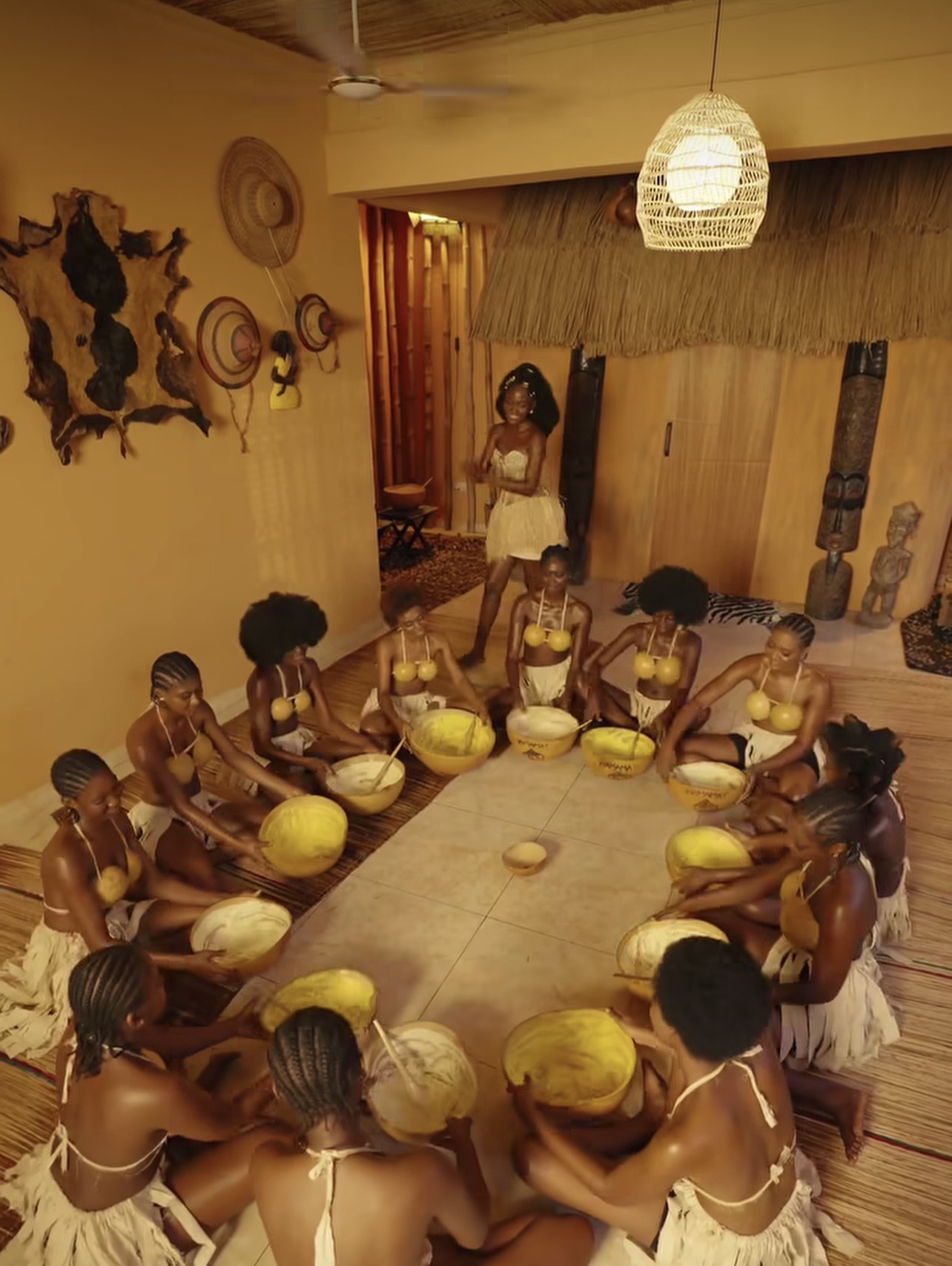
Shea butter is one of the most important local products in Northern Ghana and also few other African countries. The shea butter comes from the nuts of the shea trees that grow in savannah region from West Africa to East Africa. In almost every village in Northern Ghana, women are involved in shea butter process. Come join in or just watch our native mothers as they take you through the steps of making shea butter organically.
Authentic Village Living Tour
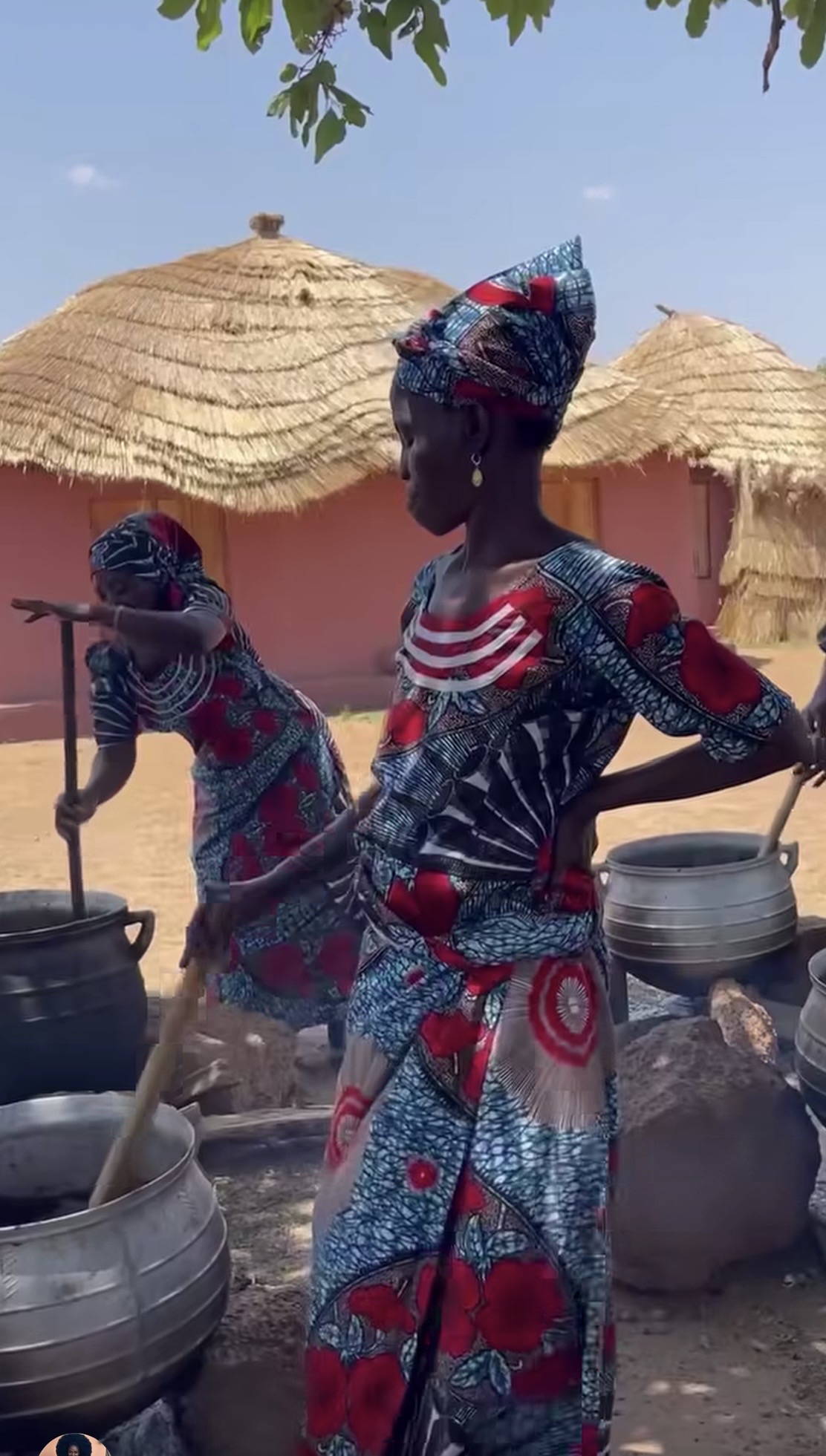
Walk through some of the villages and experience the simplicity of living without the luxuries and developments of today: running water, electricity, technology, indoor restrooms etc. A very enlightening experience.
Kumasi Ashanti Kingdom
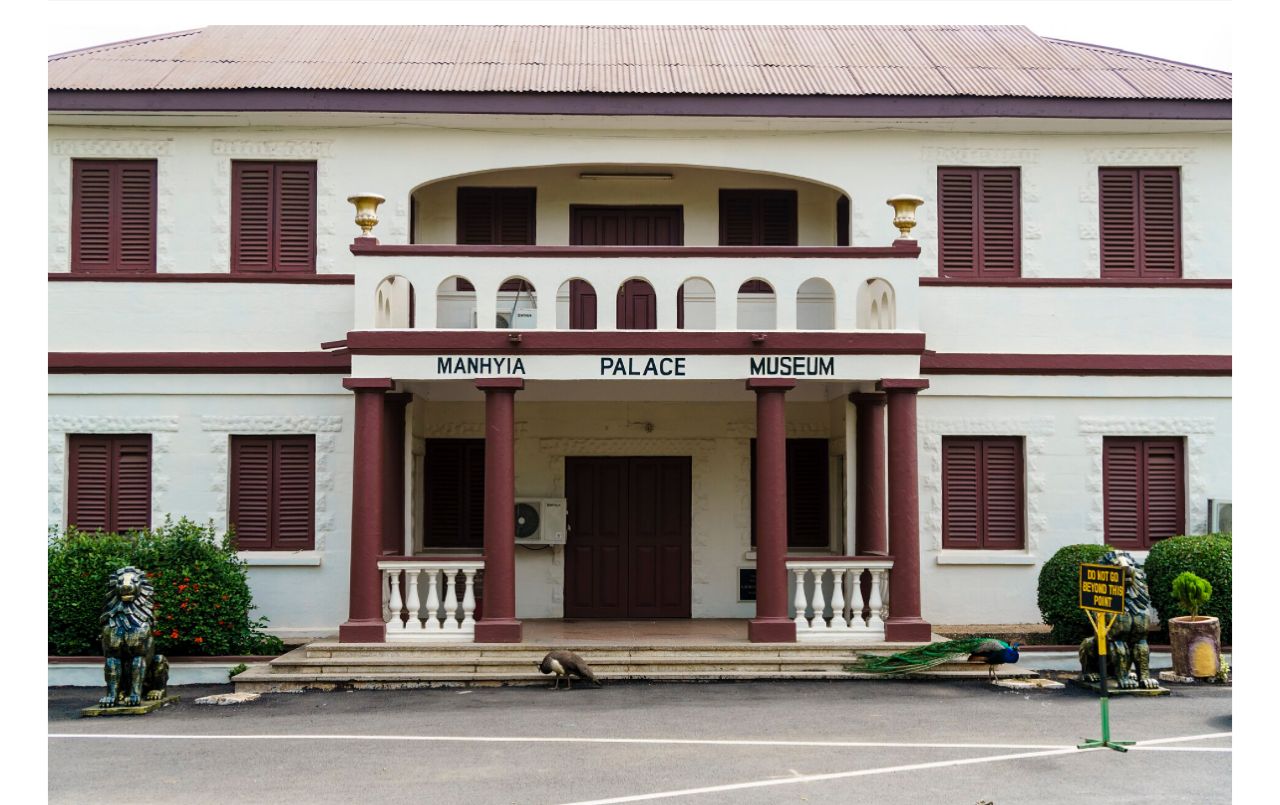
Kumasi: The Living Heart of the Ashanti Kingdom The Garden City. The Kingdom of Gold. The Soul of Ghana. Stepping into Kumasi is not just a visit to a city; it is an audience with an empire. As the seat of the Asantehene (the King of Asante), Kumasi offers a vibrant blend of ancient royal tradition and bustling modern energy. From the rhythmic clacking of Kente looms to the sacred silence of the Royal Palace, Kumasi is Ghana’s ultimate cultural pilgrimage. Visit Manhyia Palace, Adenkra Making Class, Kejetia Market, Pram-Pram Museum, and Komfo Anokye Sword Site.
Elmina Castle ( Door of No Return)
Elmina Castle was erected by the Portuguese in 1482 as Castelo de São Jorge da Mina, also known as Castelo da Mina or simply Mina, in present-day Elmina, Ghana. It was the first trading post built on the Gulf of Guinea, and the oldest European building in existence south of the Sahara. At the height of the trade, 30,000 slaves were passing through Elmina each year on their way to the Americas. This continued for nearly 300 hundred years in appalling conditions. There were many horrors witnessed here, as it is where the slaves were detained and tortured before being shipped to the 'New World'. This tour may steer your emotions, plan accordingly.